Buy business-talent.com ?
We are moving the project
business-talent.com .
Are you interested in purchasing the domain
business-talent.com ?
domain@kv-gmbh.de · 0541-91531010
Buy business-talent.com ?
What is the difference between logistics and materials management?
Logistics involves the planning, implementation, and control of the flow of goods and services from the point of origin to the point of consumption. It encompasses activities such as transportation, warehousing, inventory management, and order fulfillment. On the other hand, materials management focuses specifically on the procurement, storage, and movement of raw materials and components within an organization. It includes activities such as inventory control, purchasing, and production planning. While logistics is concerned with the broader supply chain, materials management is more focused on the internal processes of managing materials within a company. **
What is the difference between entrepreneurship, business administration, and international management?
Entrepreneurship focuses on identifying and pursuing opportunities to create new ventures or innovate within existing organizations. Business administration involves the management and operation of a business, including functions such as finance, marketing, and human resources. International management, on the other hand, deals with the challenges and opportunities of managing businesses that operate across different countries and cultures, requiring a deep understanding of global markets and international business practices. Each field has its unique focus and skill set, but they are all interconnected and essential for successful business operations in today's global economy. **
Similar search terms for And materials
Top-Angebote
Products related to And materials:
-
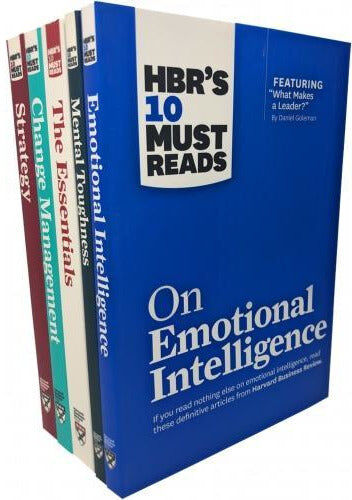
Harvard Business Review Press Harvard Business Review HBR’s 10 Must Reads 5 Book Collection Set – Essential Business, Leadership & Management GuidesHBR's 10 Must Reads 5 Books Collection Set Description On Emotional Intelligence If you read nothing else on emotional intelligence; read these 10 articles by experts in the field. We euro; ve combed through hundreds of articles in the Harvard Business Review archive and selected the most important ones to help you boost your emotional skills euro; and your professional success. Mental Toughness If you read nothing else on mental toughness; read these ten articles by experts in the field. We've combed through hundreds of articles in the Harvard Business Review archive and selected the most important ones to help you build your emotional strength and resilience--and to achieve high performance. The Essentials Change is the one constant in business; and we must adapt or face obsolescence. Yet certain challenges never go away. That's what makes this book 'must read.' These are the 10 seminal articles by management's most influential experts; on topics of perennial concern to ambitious managers and leaders hungry for inspiration--and ready to run with big ideas to accelerate their own and their companies' success. Change Management If you read nothing else on change management; read these 10 articles (featuring 'Leading Change; euro; by John P. Kotter). We've combed through hundreds of Harvard Business Review articles and selected the most important ones to help you spearhead change in your organization. Strategy If you read nothing else on strategy; read these 10 articles (featuring 'What Is Strategy? euro; by Michael E. Porter). We've combed through hundreds of Harvard Business Review articles and selected the most important ones to help you catalyze your organization's strategy development and execution.37,98 £*Shipping: 0,00 £Secure redirect to the provider
-
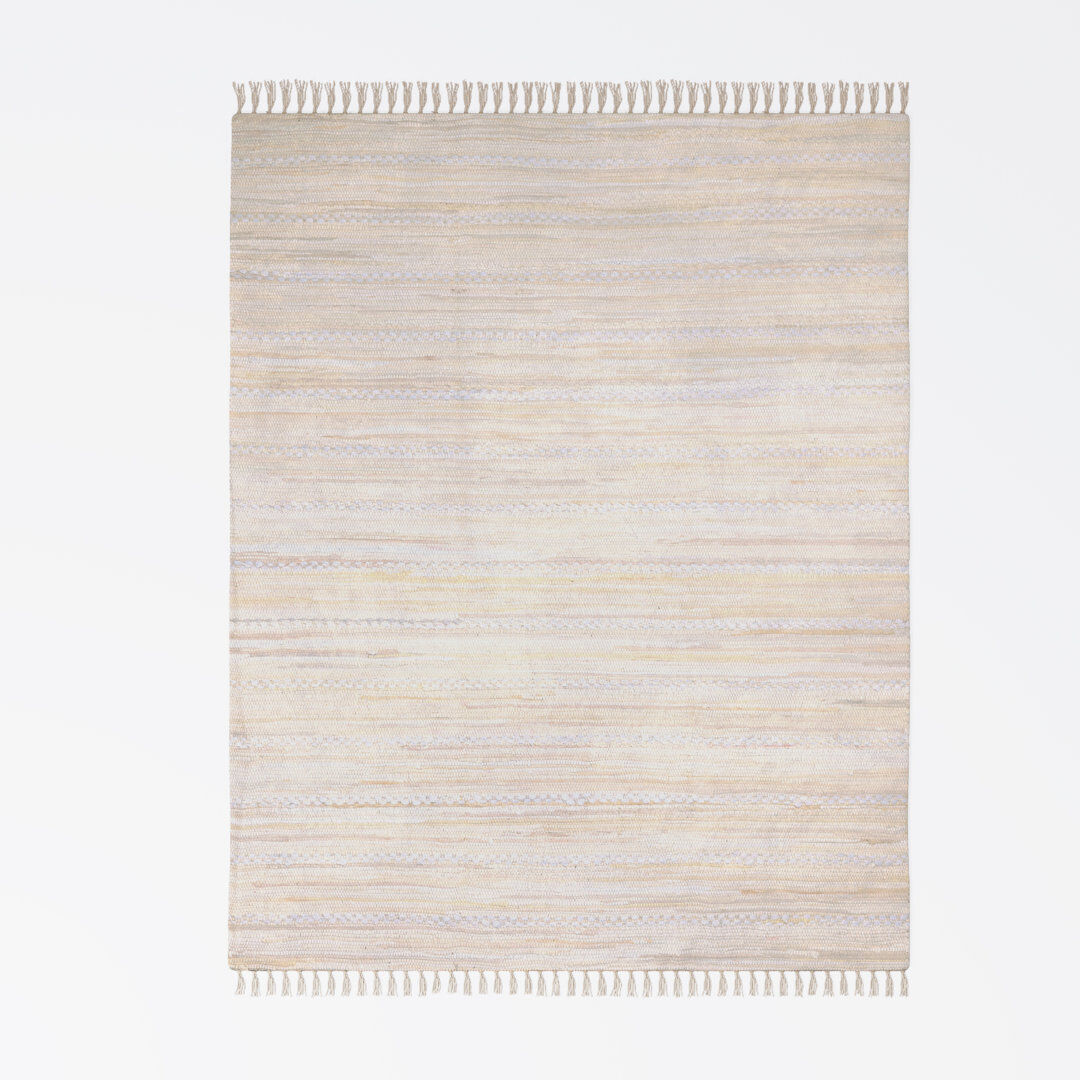
17 Stories Chindi Renova, recycled materials Rug Cream Rectangular 230 x 160cmThe Shady hand-woven chindi rug is a beautiful work of art made by experienced craftsmen. Each rug is unique and captivates with its vibrant colour spectrum and unique, hand -woven pattern. The rug has a robust texture and is suitable for everyday use. It is available in different sizes and can be used in different rooms, from living rooms and bedrooms to corridors and offices. The "Shady" chindi rug has a beautiful colour palette and gives any room a calm and relaxed feel. It fits perfectly with modern furnishing styles, but can also complement rustic or traditional decorations. The rug is easy to clean and can be maintained by simply vacuuming or beating. Experience the beauty and quality of the "Shady" hand-woven chindi rug and give your home a unique touch. 17 Stories Rug Size: Rectangular 230 x 160cm, Colour: Cream105,99 £*Shipping: 0,00 £Secure redirect to the provider
-
Can someone explain the terms reserve materials, building materials, and operating materials?
Reserve materials are items kept in stock for future use, typically for emergencies or unexpected situations. Building materials are used in the construction or renovation of structures, such as wood, concrete, and steel. Operating materials are supplies necessary for the day-to-day functioning of a business or organization, like office supplies, cleaning products, and maintenance tools. Each term refers to specific types of materials needed for different purposes within a given context. **
-
What is the difference between building materials, operating materials, and supplementary materials?
Building materials are used in the construction of a structure, such as wood, concrete, steel, and bricks. Operating materials are items used to maintain and operate a building, like cleaning supplies, light bulbs, and HVAC filters. Supplementary materials are additional items that may not be essential for the structure but can enhance its functionality or aesthetics, such as decorative finishes, landscaping materials, or furniture. **
-
What is the difference between building materials, operating materials, and auxiliary materials?
Building materials are used in the construction of a structure, such as bricks, concrete, and steel. Operating materials are items used in the day-to-day operations of a building, like cleaning supplies, office supplies, and maintenance tools. Auxiliary materials are additional items that support the functioning of a building, such as lighting fixtures, plumbing fixtures, and HVAC systems. Each type of material serves a specific purpose in the construction and maintenance of a building. **
-
What is the difference between raw materials, operating materials, and auxiliary materials?
Raw materials are the basic materials used in the production of goods, such as wood, metal, or oil. Operating materials are the materials used in the day-to-day operations of a business, such as office supplies, cleaning supplies, or packaging materials. Auxiliary materials are materials that support the production process but are not directly used in the final product, such as lubricants, solvents, or maintenance supplies. Each type of material plays a different role in the production and operation of a business. **
What is the difference between raw materials, auxiliary materials, operating materials, and goods?
Raw materials are the basic materials used in the production of goods, such as wood for furniture or steel for cars. Auxiliary materials are used to support the production process but do not become part of the final product, like lubricants or cleaning agents. Operating materials are items necessary for the day-to-day functioning of a business, such as office supplies or maintenance tools. Goods are the final products that are produced and sold to customers, such as furniture or cars. **
Is there a difference between materials and raw materials?
Yes, there is a difference between materials and raw materials. Raw materials are the basic materials that are used to make a product, such as wood, metal, or cotton. Materials, on the other hand, are the finished products that are used to create something else, such as plastic, glass, or fabric. In other words, raw materials are the starting point in the production process, while materials are the end result that can be used in various applications. **
Top-Angebote
Products related to And materials:
-
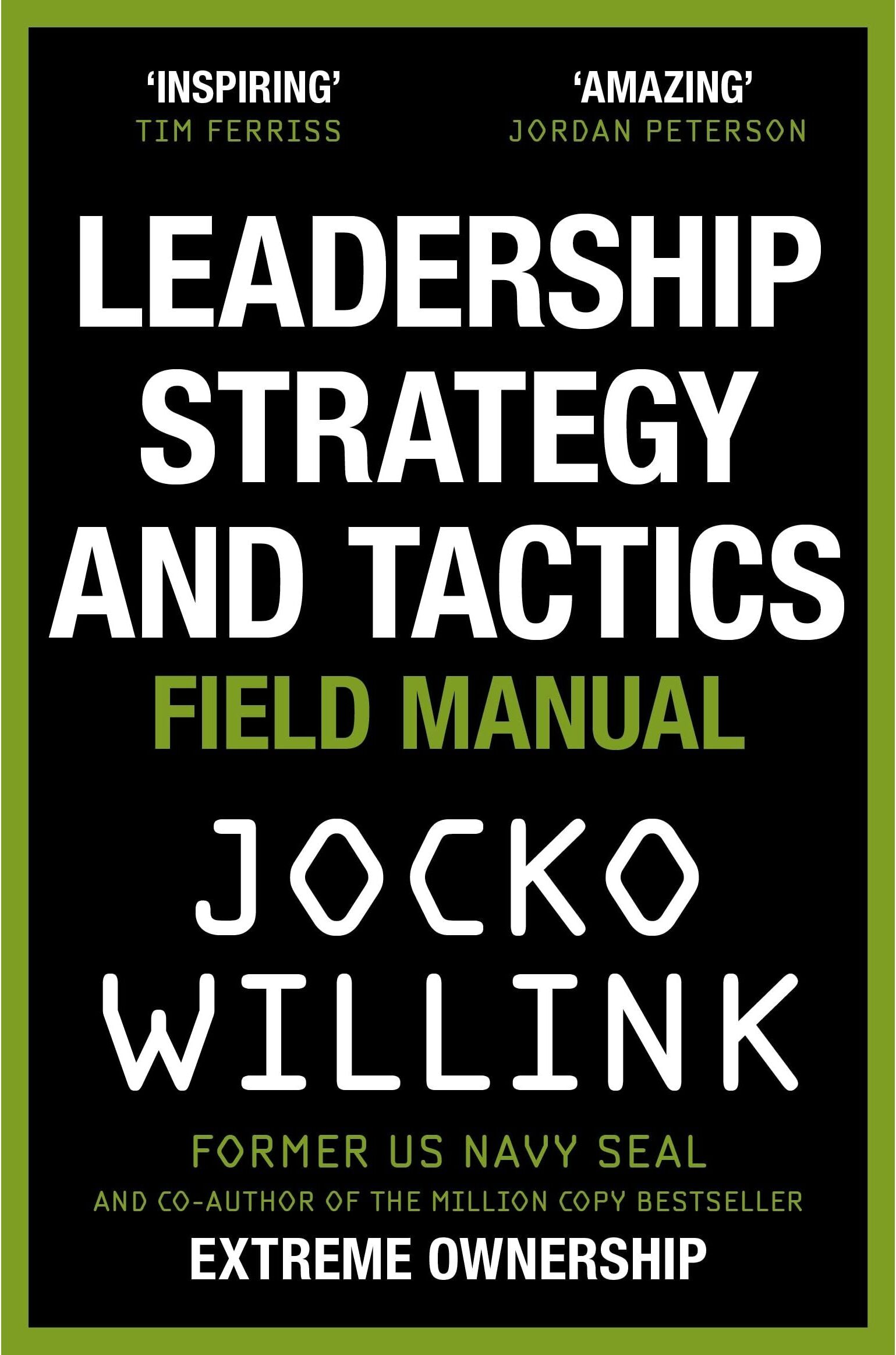
MACMILLAN Leadership Strategy and Tactics: Learn to Lead Like a Navy SEALLeadership is the most challenging of human endeavours. It is often misunderstood. It can bewilder, mystify and frustrate even the most dedicated practitioners. Leaders at all levels are often forced to use theoretical guesswork to make decisions and lead their troops. It doesn’t have to be that way. There are principles that can be applied and tenets that can be followed. There are skills that can be learned and manoeuvres that can be practised and executed. There are leadership strategies and tactics that have been tested and proven on the battlefield, in business and in life. Retired Navy SEAL Officer Jocko Willink delivers his powerful and pragmatic leadership methodology that teaches how to lead any team in any situation to victory. Here, you will learn how to: * Deal with egos and the problems they cause * Earn and build trust with both your subordinates and superiors * Instil pride in your team, without creating arrogance * Overcome challenges presented by a micromanaging, indecisive or weak boss * Create a disciplined team that regulates itself * Use leadership as a tool to teach, mentor, train and correct behaviour of team members * Operate at a maximum level of efficiency – and reap the rewards . . . and more. This book is step one towards becoming the commander of your own life. The rest is up to you.8,99 £*Shipping: 2,99 £Secure redirect to the provider
-
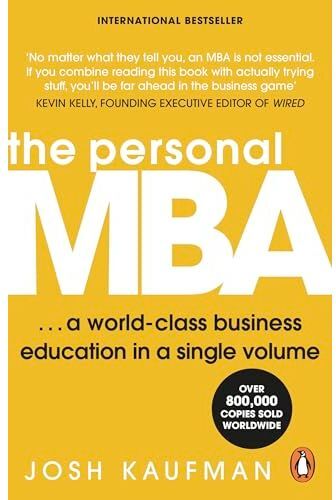
Penguin The Personal MBA: The bestselling business book containing you everything you need to know about marketing, management and leadershipARE YOU TEMPTED TO GO TO BUSINESS SCHOOL? SAVE YOUR MONEY AND READ THE PERSONAL MBA INSTEAD. This bestselling business classic gives you everything you need to transform your business and your career. An MBA at a top business school is an enormous investment in time and cash. And if you don't want to work for a consulting firm or an investment bank, the chances are it simply isn't worth it. The Personal MBA gives you simple mental models for every subject that's key to commercial success. From the basics of products and marketing to the nuances of teamwork and systems, this book distils everything you need to know to take on the MBA graduates and win.10,99 £*Shipping: 2,99 £Secure redirect to the provider
-
Harvard Business Review Press Harvard Business Review HBR’s 10 Must Reads 5 Book Collection Set – Essential Business, Leadership & Management GuidesHBR's 10 Must Reads 5 Books Collection Set Description On Emotional Intelligence If you read nothing else on emotional intelligence; read these 10 articles by experts in the field. We euro; ve combed through hundreds of articles in the Harvard Business Review archive and selected the most important ones to help you boost your emotional skills euro; and your professional success. Mental Toughness If you read nothing else on mental toughness; read these ten articles by experts in the field. We've combed through hundreds of articles in the Harvard Business Review archive and selected the most important ones to help you build your emotional strength and resilience--and to achieve high performance. The Essentials Change is the one constant in business; and we must adapt or face obsolescence. Yet certain challenges never go away. That's what makes this book 'must read.' These are the 10 seminal articles by management's most influential experts; on topics of perennial concern to ambitious managers and leaders hungry for inspiration--and ready to run with big ideas to accelerate their own and their companies' success. Change Management If you read nothing else on change management; read these 10 articles (featuring 'Leading Change; euro; by John P. Kotter). We've combed through hundreds of Harvard Business Review articles and selected the most important ones to help you spearhead change in your organization. Strategy If you read nothing else on strategy; read these 10 articles (featuring 'What Is Strategy? euro; by Michael E. Porter). We've combed through hundreds of Harvard Business Review articles and selected the most important ones to help you catalyze your organization's strategy development and execution.37,98 £*Shipping: 0,00 £Secure redirect to the provider
-
What is the difference between logistics and materials management?
Logistics involves the planning, implementation, and control of the flow of goods and services from the point of origin to the point of consumption. It encompasses activities such as transportation, warehousing, inventory management, and order fulfillment. On the other hand, materials management focuses specifically on the procurement, storage, and movement of raw materials and components within an organization. It includes activities such as inventory control, purchasing, and production planning. While logistics is concerned with the broader supply chain, materials management is more focused on the internal processes of managing materials within a company. **
-
What is the difference between entrepreneurship, business administration, and international management?
Entrepreneurship focuses on identifying and pursuing opportunities to create new ventures or innovate within existing organizations. Business administration involves the management and operation of a business, including functions such as finance, marketing, and human resources. International management, on the other hand, deals with the challenges and opportunities of managing businesses that operate across different countries and cultures, requiring a deep understanding of global markets and international business practices. Each field has its unique focus and skill set, but they are all interconnected and essential for successful business operations in today's global economy. **
-
Can someone explain the terms reserve materials, building materials, and operating materials?
Reserve materials are items kept in stock for future use, typically for emergencies or unexpected situations. Building materials are used in the construction or renovation of structures, such as wood, concrete, and steel. Operating materials are supplies necessary for the day-to-day functioning of a business or organization, like office supplies, cleaning products, and maintenance tools. Each term refers to specific types of materials needed for different purposes within a given context. **
-
What is the difference between building materials, operating materials, and supplementary materials?
Building materials are used in the construction of a structure, such as wood, concrete, steel, and bricks. Operating materials are items used to maintain and operate a building, like cleaning supplies, light bulbs, and HVAC filters. Supplementary materials are additional items that may not be essential for the structure but can enhance its functionality or aesthetics, such as decorative finishes, landscaping materials, or furniture. **
Similar search terms for And materials
-
17 Stories Chindi Renova, recycled materials Rug Cream Rectangular 230 x 160cmThe Shady hand-woven chindi rug is a beautiful work of art made by experienced craftsmen. Each rug is unique and captivates with its vibrant colour spectrum and unique, hand -woven pattern. The rug has a robust texture and is suitable for everyday use. It is available in different sizes and can be used in different rooms, from living rooms and bedrooms to corridors and offices. The "Shady" chindi rug has a beautiful colour palette and gives any room a calm and relaxed feel. It fits perfectly with modern furnishing styles, but can also complement rustic or traditional decorations. The rug is easy to clean and can be maintained by simply vacuuming or beating. Experience the beauty and quality of the "Shady" hand-woven chindi rug and give your home a unique touch. 17 Stories Rug Size: Rectangular 230 x 160cm, Colour: Cream105,99 £*Shipping: 0,00 £Secure redirect to the provider
-
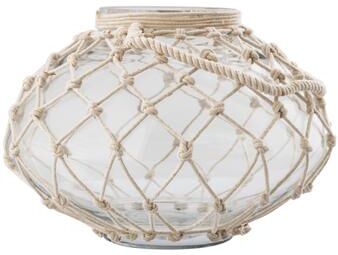
Elk Studio Elk Home Bonita Natural Natural Materials 12 Inch Wide VaseThe Bonita Vase has a low, wide rounded body made of glass which is wrapped loosely with a jute rope in a knotted, open weave pattern. The mouth of the vase features a twisted hute rope handle for easy transport.98,00 $*Shipping: 0,00 $Secure redirect to the provider
-
What is the difference between building materials, operating materials, and auxiliary materials?
Building materials are used in the construction of a structure, such as bricks, concrete, and steel. Operating materials are items used in the day-to-day operations of a building, like cleaning supplies, office supplies, and maintenance tools. Auxiliary materials are additional items that support the functioning of a building, such as lighting fixtures, plumbing fixtures, and HVAC systems. Each type of material serves a specific purpose in the construction and maintenance of a building. **
-
What is the difference between raw materials, operating materials, and auxiliary materials?
Raw materials are the basic materials used in the production of goods, such as wood, metal, or oil. Operating materials are the materials used in the day-to-day operations of a business, such as office supplies, cleaning supplies, or packaging materials. Auxiliary materials are materials that support the production process but are not directly used in the final product, such as lubricants, solvents, or maintenance supplies. Each type of material plays a different role in the production and operation of a business. **
-
What is the difference between raw materials, auxiliary materials, operating materials, and goods?
Raw materials are the basic materials used in the production of goods, such as wood for furniture or steel for cars. Auxiliary materials are used to support the production process but do not become part of the final product, like lubricants or cleaning agents. Operating materials are items necessary for the day-to-day functioning of a business, such as office supplies or maintenance tools. Goods are the final products that are produced and sold to customers, such as furniture or cars. **
-
Is there a difference between materials and raw materials?
Yes, there is a difference between materials and raw materials. Raw materials are the basic materials that are used to make a product, such as wood, metal, or cotton. Materials, on the other hand, are the finished products that are used to create something else, such as plastic, glass, or fabric. In other words, raw materials are the starting point in the production process, while materials are the end result that can be used in various applications. **
* All prices are inclusive of VAT and, if applicable, plus shipping costs. The offer information is based on the details provided by the respective shop and is updated through automated processes. Real-time updates do not occur, so deviations can occur in individual cases. ** Note: Parts of this content were created by AI.